
Pacifica Neighborhoods
Pacifica is 6 miles of coastline, made up of 9 districts that combined in 1957 to incorporate for political power becoming the city of Pacifica. Today those districts are known as neighborhoods, each with its own feel and weather pattern.
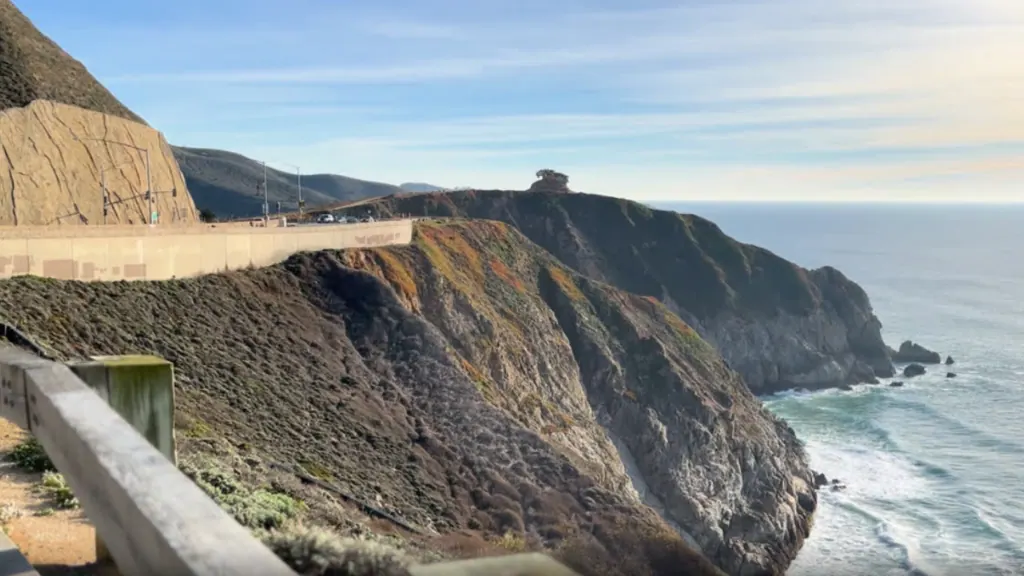
Microclimates here are more micro than I ever realized until I started paying close attention. The front of Linda Mar can be wet, cold, and windy. Drive down the boulevard, get past the fire station, and you’re suddenly in the sun.
Park Pacifica, in the southeast corner of town next to Linda Mar, feels more like Millbrae, sunnier and warmer than anywhere else in the city. When I lived in a townhouse on Oddstad, I remember talking to my mother on the phone.
She said, ‘What are you doing?’
‘Laying in the sun.’
‘What?! It’s freezing here.’
She lives in Rockaway.
The name Pacifica came from a contest held that same year, 1957, to name the newly incorporated city. Nobody I’ve talked to remembers who actually won.
The winning name was inspired by an 80-foot statue by sculptor Ralph Stackpole, created as the theme figure for the Golden Gate International Exposition, held on Treasure Island in 1939-40.
The statue itself was destroyed after the fair, but two of the sculptor’s working models survived, one is on display at the Little Brown Church, the other sits in the Council Chambers.
A real oddity about the back of the valley is the way sound travels. We were standing on Oddstad out in front of the townhouses.
I said to Sue, ‘What was that?!’
She said, ‘The train.’
What train?
‘The train on the other side of the hill.’
It was the train horn! We both stood there laughing, hoping to hear it again.
I’ve actually heard it back there twice.
At an open house on Rainier recently, I asked a neighbor if he’d ever heard it too. He looked at me like I’d morphed into a monster.
It takes a calm, warm day with no fog or wind to carry the sound in another direction, but on the right day, you can really hear the train horn from the other side of the hill.
As each neighborhood gets its own page here, you’ll find more of what makes it different.