
What Actually Matters Before Selling a House in Pacifica
What Actually Matters Before Selling a House in Pacifica
Thinking About Selling Your Home in Pacifica?
Most homeowners start in a similar place: You walk through your house and notice things you hadn’t really seen before.
Small things that never felt urgent suddenly feel important.
It’s easy to think: We probably need to fix a lot before we can sell.
That’s usually where the overwhelm starts.
It feels like here’s too much to do and it’s not clear what actually matters.

Start With How the Home Feels
When buyers walk into a home, they’re not thinking in lists. They’re taking it in all at once.
How does it feel?
How does it smell?
Where is the light coming from?
That first impression happens quickly, and it tends to stick.
Buyers respond to what they see in front of them.
If a space feels crowded, it reads as small.
If it feels dark, it reads as less comfortable.
That’s why small, intentional changes can make a real difference.
Clearing out extra furniture, opening up sightlines, and letting in more light can completely shift how a home is experienced.
Not because you changed the house.
But because you made it easier to understand.
You Don’t Need to Fix Everything
And you shouldn't. That's probably the biggest relief point for most sellers. You're not selling a brand new home.
It doesn't have to feel like one.
In Pacifica, buyers don’t expect every home to be fully updated. They do expect it to be clean, bright, and comfortable.
They’re used to a mix of conditions, especially in coastal homes where materials age faster.
Some buyers are planning full remodels from day one. When they walk in they've already budgeted for kitchens, baths, and systems.
Salt air, fog, moisture, and neighborhood-by-neighborhood weather are all part of living in Pacifica.
Other buyers are looking for something more manageable.
I met buyers the other day who affectionally called their first house their “clean up house.” Paint. Flooring and a few updates over time. The house was quirky and that was okay for that time in their lives.<
This home purchase will be their “high school house.” They plan to stay until the kids graduate.
If a home is a “clean up house,” it should feel approachable, not overwhelming.
Buyers should be able to see the path: paint, flooring, a few updates over time.
If it’s a full fixer, it should feel like a clear opportunity, not a question mark.
Not dressed up to hide what it is.
Buyers who want a project are looking for honesty.
They want to see the layout, the structure, the bones.
Buyers don’t all want the same thing in a house. But they do want clarity. That’s where presentation matters.
Clear it out. Open it up. Let them read the space.
Confusion slows people down.
Clarity helps the right buyer move forward.
There are different types of houses. There is a buyer for every one of them.
They just need to instantly recognize what they’re looking at.
Your goal isn’t to change what the house is. It’s to make it obvious.
What tends to matter most are the things that feel obvious right away.
Something that looks broken, neglected, or out of place.
That will set their mind on: the sellers don't care. And once they're in that mindset it's very difficult for them to see it any other way.
Where to Focus
If you’re deciding where to put your energy and your money, it helps to keep things simple.
Most of the time, it comes down to just a few things.
What stands out right away.
How the home feels when they walk in matters.
Whether if feels cared.
It doesn’t have to be perfect. But if something looks broken, neglected or out of place, it can shift how buyers see everything else.
Give Yourself Time
If you’re thinking about selling, even a little, it helps to start early. Earlier than you think you need to.
Not to rush, but to give yourself space.
Some of this is simply logistics.
Scheduling painters.
Booking cleaners.
Lining up repairs.
Getting inspections done.
Those things take time.
When you start early, you don’t have to fit everything into a tight window.
You can space things out and make better decisions along the way.
And when there’s time, everything feels easier.
You can look at things clearly.
Handle what matters.
Skip what doesn’t.
The process becomes more manageable and a lot less stressful.
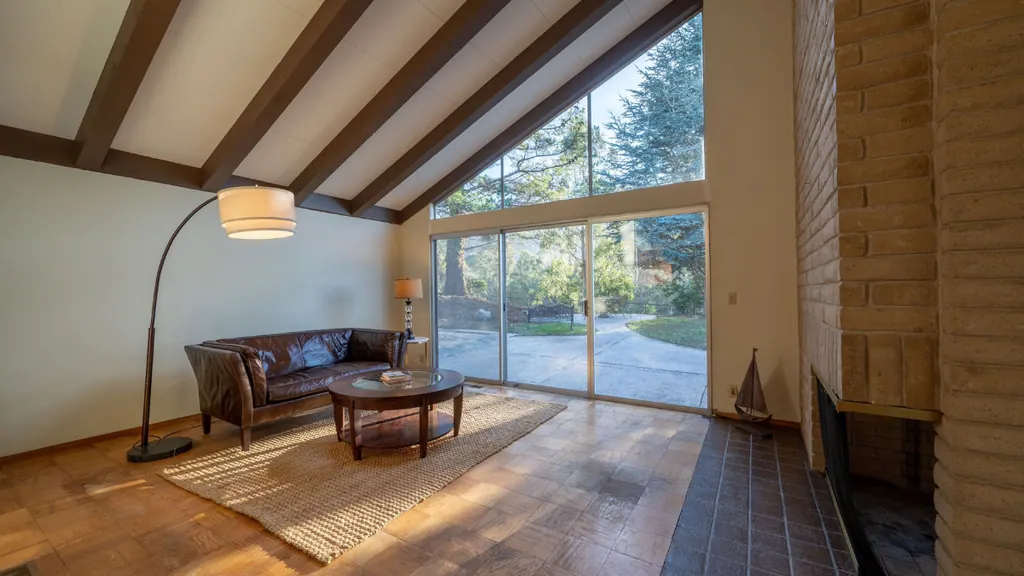
This house is a good example of a "fixer." It was original in every way, there was damage to the floors among other projects.
The goal was to show was the house was. Not cover it up. Focus on its attributes.
That was what I did: Clean it thoroughly. Minimal staging. Show off the extra large backyard.
Let buyers see the possibilities.
It worked well. Excited buyers made multiple offers. It sold over the asking price.
What Buyers Are Really Looking For
Most buyers aren’t walking through a house asking if everything has been updated.
They’re asking something quieter: Can I see my life here?
That comes from how the space feels, how it flows, and how it fits into their world.
That’s what stays with them after they leave.
If You’re Starting to Think About Selling
You don’t have to sort it out on your own.
It can start with walking through.
Looking at what matters.
What you can let go of.
And what will actually make a difference.
That’s usually where things begin to feel more clear, and a lot less overwhelming.
Frequently Asked Questions
What should I do first before selling my house?
Start with how the home feels. Focus on space, light, and overall presentation before considering significant updates.
Do I need to renovate before selling?
Most of the time, no. A few thoughtful improvements are usually more effective than major renovations.
What repairs matter most?
Anything that stands out right away or affects how the home feels. Buyers notice those first.
Do coastal homes need special preparation?
They benefit from good care and presentation, but they don’t need to be completely redone.
How early should I start preparing?
Five to six months gives you room to move without tons of pressure.
That’s the point where it makes sense to talk with your realtor; before you start spending time or money on things that may not matter.
Are buyers focused on the house or the lifestyle?
Both, but in Pacifica, lifestyle plays a more meaningful role.
Final Thought
If you’re thinking about selling, this is the part where most people wait too long.
It makes everything that comes after much easier.
For attorneys and clients handling estate property in San Mateo County, I’ve outlined how the property side is managed alongside the legal process here: